WeFlamenco Fest · Online Exhibition
Los Flamencos de San Antonio: A Company and Its Community
Archival photographs from 1972–1976 document Los Flamencos de San Antonio and the wider community of dancers and musicians who brought flamenco to public stages.
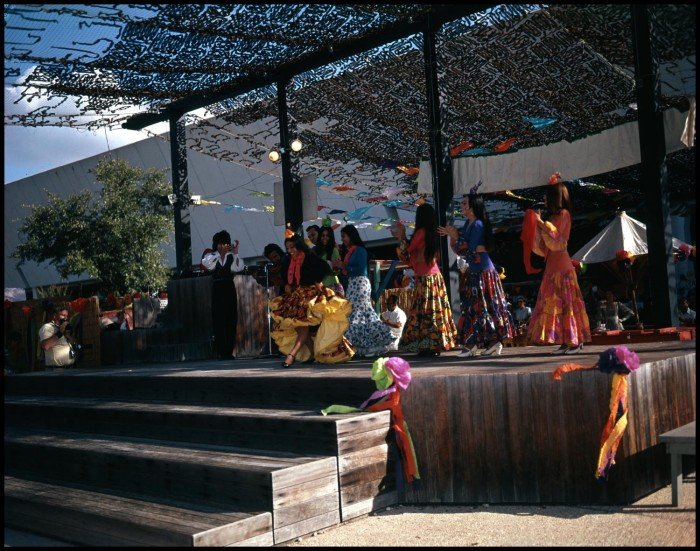
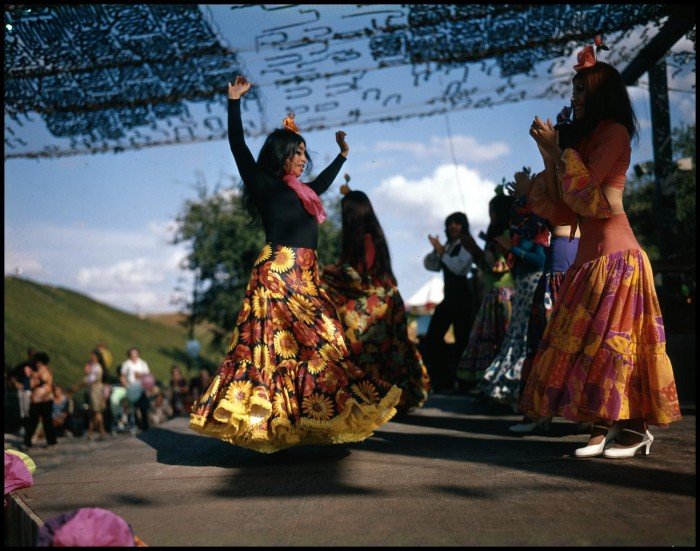
In 1972, the first Texas Folklife Festival brought flamenco into a public celebration of the state’s cultural traditions. A surviving photograph identifies Teresa Champion and Manolo Valente as members of Los Flamencos de San Antonio.
The images gathered here are not a complete history of the company. Some document Los Flamencos directly; others show Ballet Folklórico de San Antonio and performers associated with the same festival. Read together, they preserve the names, stages and working environment of San Antonio’s flamenco community during the 1970s.
1972: The Company in the Archive
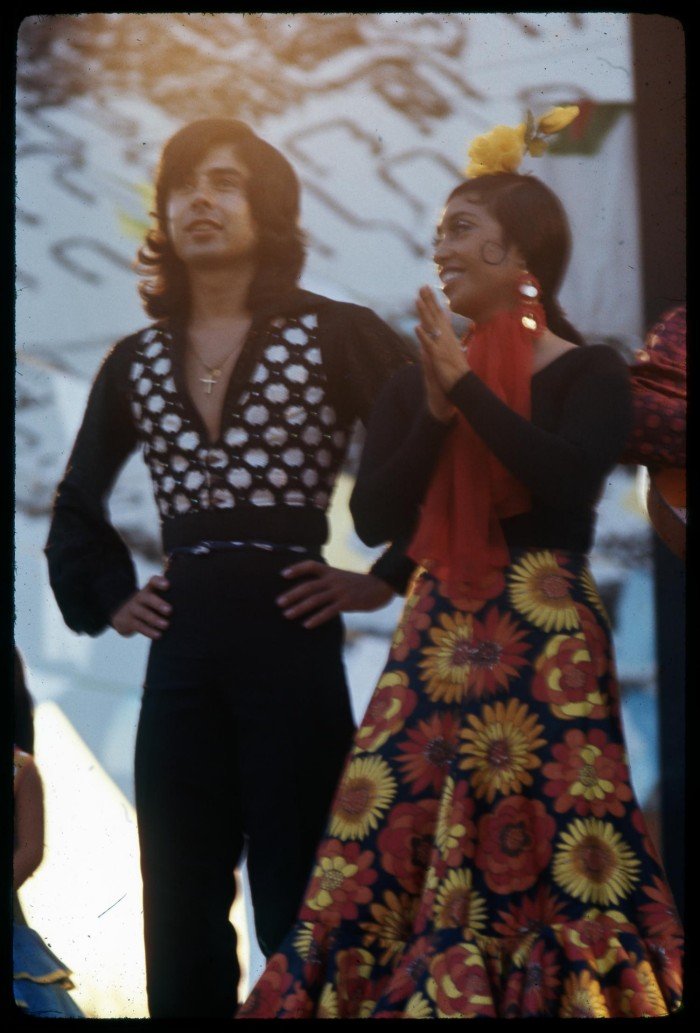
At the first Texas Folklife Festival, Teresa Champion and Manolo Valente appear together in a photograph identifying them as members of Los Flamencos de San Antonio. Other 1972 images show Champion performing with Ballet Folklórico de San Antonio. The records preserve two aspects of her work while confirming the company’s presence at the festival. View the Portal record.
1974: The Wider Festival Stage
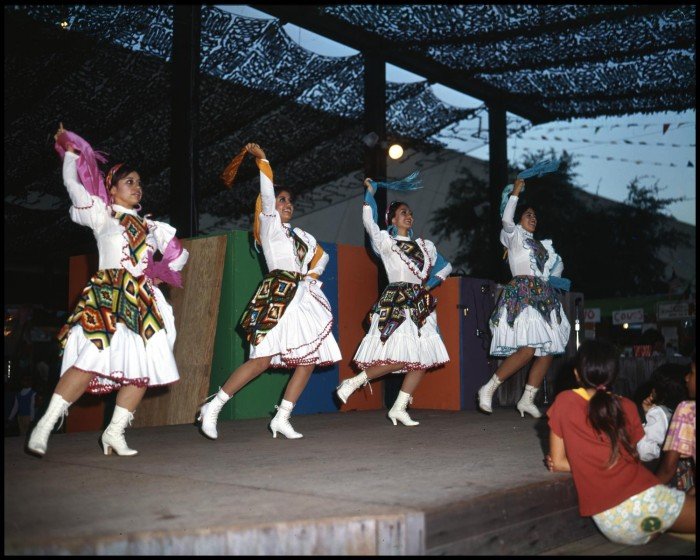
This photograph shows Terry Narvaiez, Edna Perez, Lulu Chavez and Boni Ramos performing the Mexican folk dance La Negra with Ballet Folklórico de San Antonio. It documents another tradition presented at the Texas Folklife Festival, not a performance by Los Flamencos. The distinction matters in an exhibition that brings together records from the same cultural event. View the Portal record.
1975: Young Dancers on the Public Stage
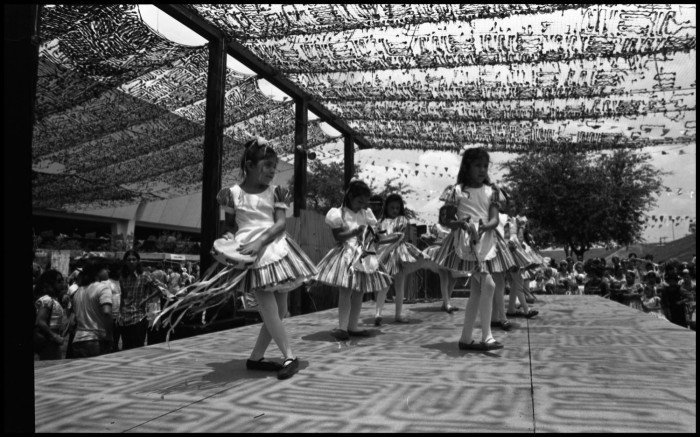
Eight girls perform with tambourines at the 1975 festival. The archive titles this as a Ballet Folklórico de San Antonio photograph and includes the Teresa Champion Folklorico Dance Company among its keywords. It offers a glimpse of children learning and performing flamenco, without establishing their membership in Los Flamencos. View the Portal record.
1976: El Curro
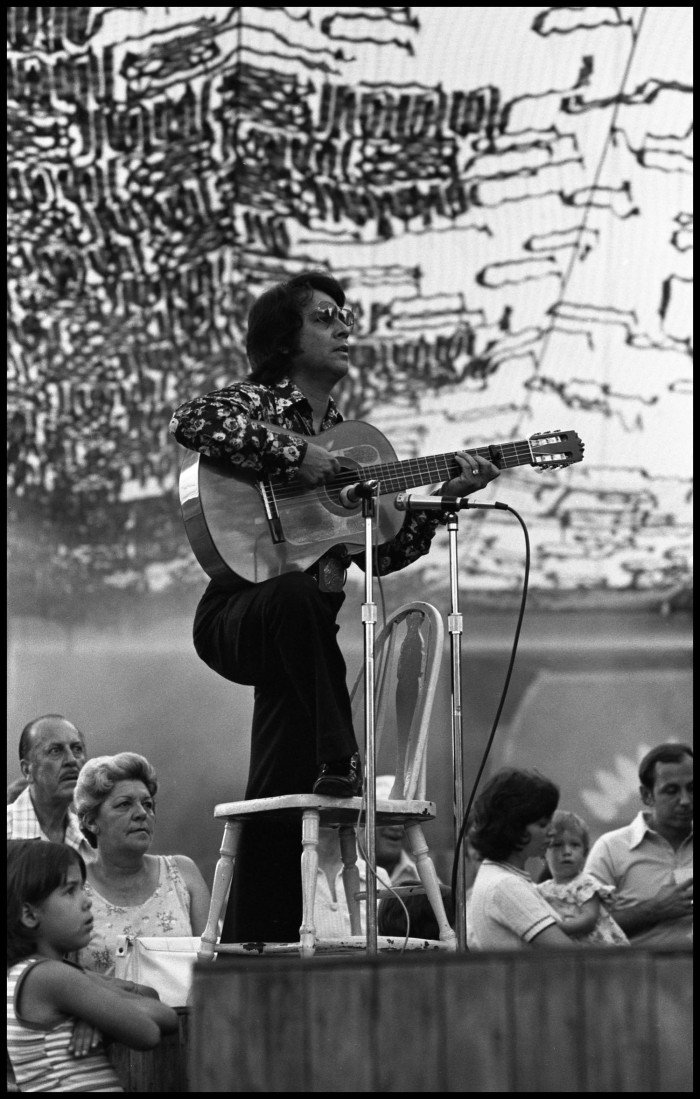
Willie “El Curro” Champion plays guitar for a festival audience, resting one foot on a wooden chair. The photograph puts the music beside the dance and offers a rare view of one of the performers who helped establish flamenco in San Antonio. View the Portal record.
1976: Teresa in Motion
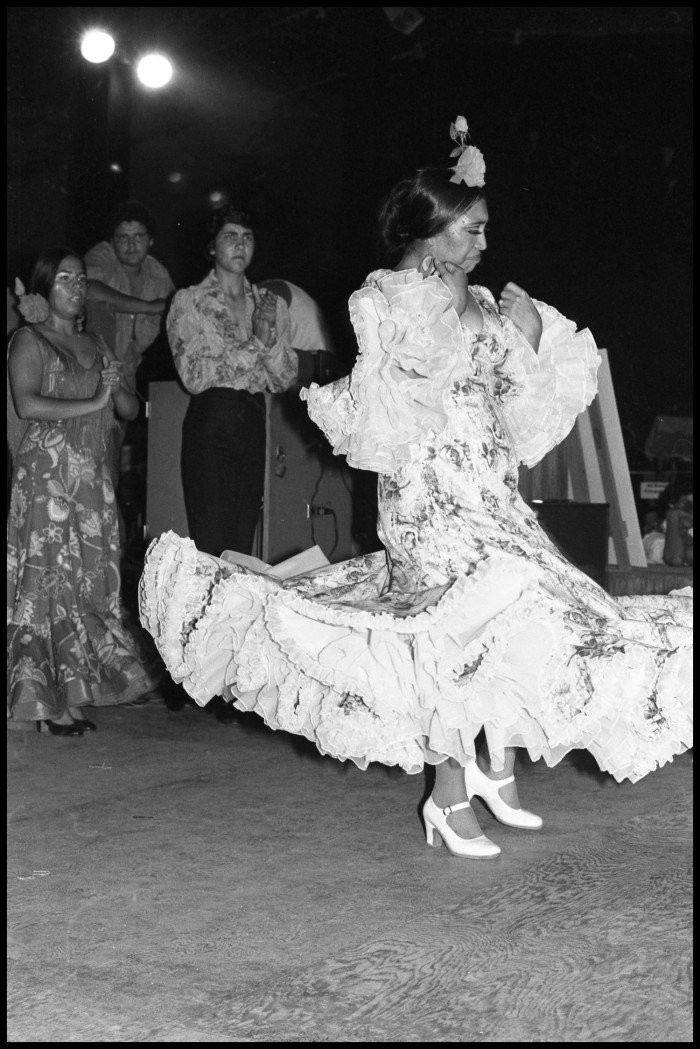
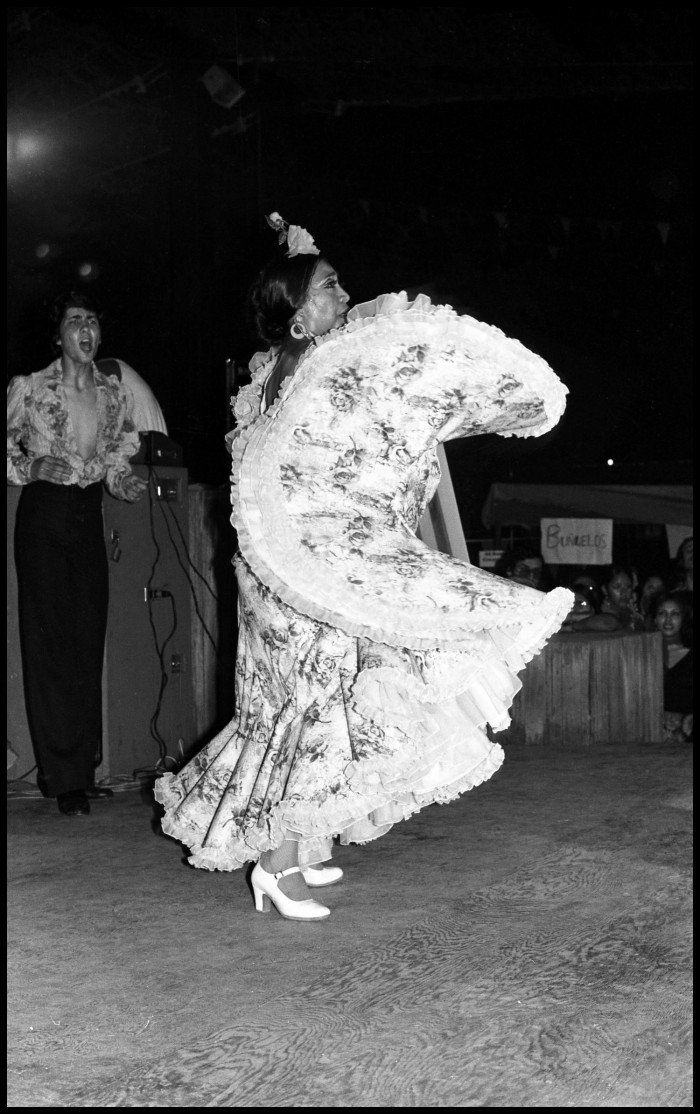
The archive identifies Teresa Champion as artistic director of Los Flamencos de San Antonio in 1976. One photograph catches the movement of her ruffled dress; another finds her facing the audience with arms raised. Together they document her authority as a performer and leader. View the first Portal record. View the second.
1976: Oscar Trevino and Chayo Champion
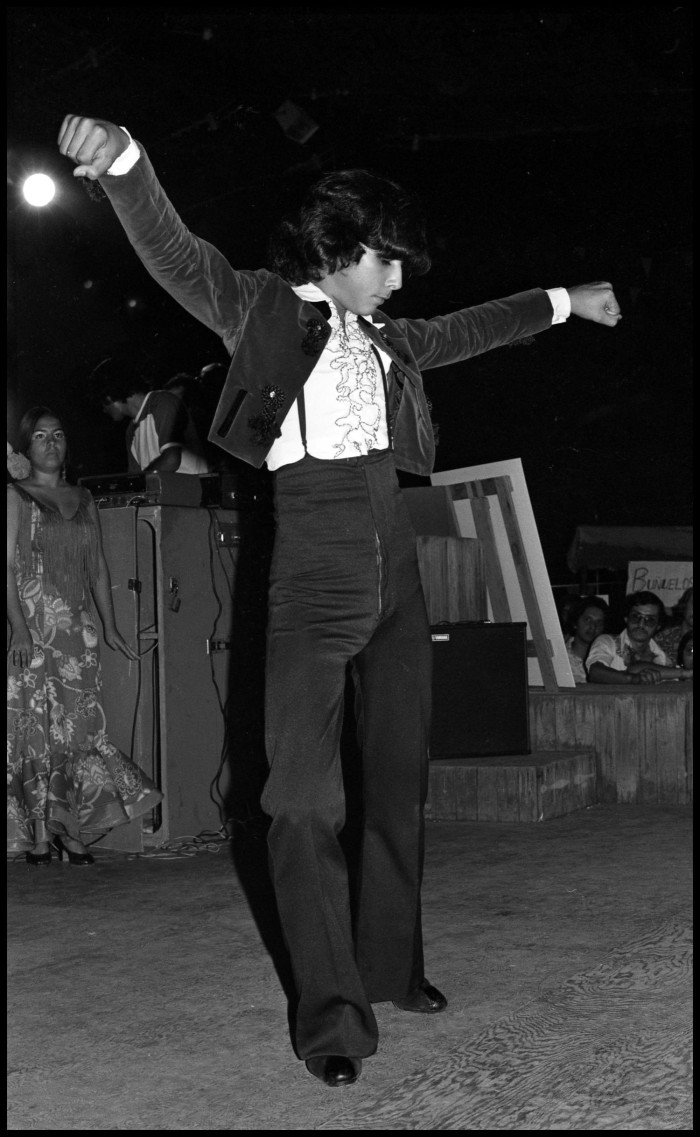
The archive identifies Oscar Trevino as a dancer with Ballet Folklórico de San Antonio and Rosalinda “Chayo” Champion in the background. It also lists Los Flamencos de San Antonio as a keyword. The photograph places both artists at the festival without establishing that they belonged to the same company. View the Portal record.
1976: A Community of Dancers
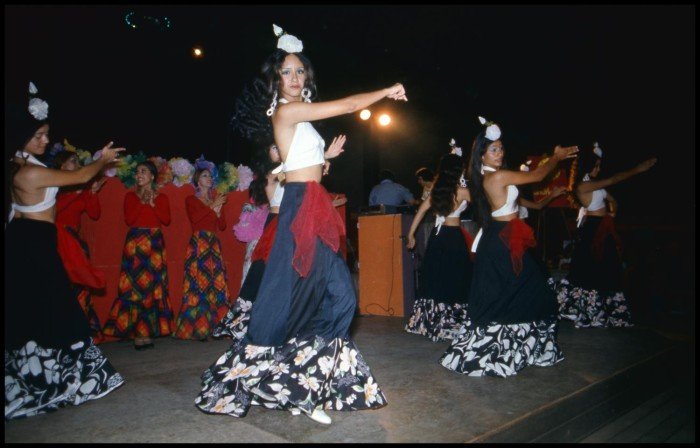
This photograph identifies Joyce Rodriguez, Cindy Ramos, Cathy Gonzalez, Edna Perez and Josie Champion as dancers with Ballet Folklórico de San Antonio. Their names are part of the festival’s broader record of flamenco performance, but the archive does not identify the group as Los Flamencos. View the Portal record.
These photographs preserve something that performance alone could not leave behind: the names and faces of artists who brought flamenco before San Antonio audiences in the 1970s. Los Flamencos de San Antonio stands within that larger, documented history.
Archive note. All photographs in this exhibition are from the Institute of Texan Cultures Texas Folklife Festival Collection, provided by UT San Antonio Libraries Special Collections and made available through the University of North Texas Libraries’ Portal to Texas History. Archive descriptions and keywords sometimes identify different companies; affiliations in this exhibition are stated only where documented. Research and curation by WeFlamenco Fest. Explore more online exhibitions.