San Antonio Flamenco History
A Flamenco Tradition of Its Own
For more than ninety years, public dance education, family lineages, independent studios, cultural institutions and intimate stages have made flamenco part of San Antonio’s cultural life.
History & chronology. This page traces the events, people and institutions behind San Antonio’s flamenco tradition. For a curated study of the photographs and the stories they preserve, visit San Antonio Flamenco: A Visual History.
Explore the timeline
1934–1954: Berta Almaguer and Public Dance Education
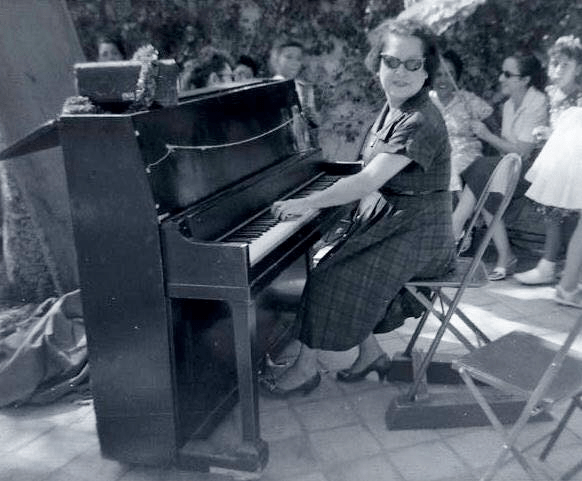
The story begins in 1934, when Berta Almaguer introduced Spanish dance and folklórico to local students. Her program remains the oldest municipal dance program in the United States—helping establish the cultural and educational foundation for flamenco in San Antonio. The opening of the Arneson River Theatre in 1941 gave the city a prominent outdoor stage for public music and dance along the newly developed River Walk, placing cultural performance at the center of civic life.
“She really was a pioneer in bringing dance to San Antonio,” said Almaguer’s granddaughter Diana Rosa Almaguer Orellana. “What she learned in Mexico, she taught here.”
Sources: San Antonio Report, “Berta Almaguer’s Legacy of Dance Lives On”; City of San Antonio 2010 Annual Report.
1954–1970s: Teresa and Willie “El Curro” Champion
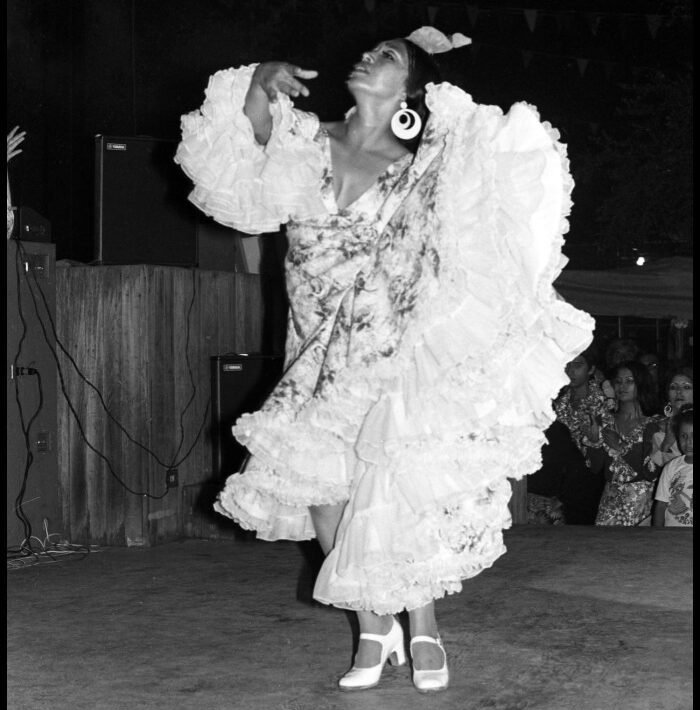
In 1954, Teresa Champion returned to San Antonio after studying in Mexico City. Together with her husband, guitarist and dancer Willie “El Curro” Champion, she helped introduce live flamenco to San Antonio audiences through nightclub performances, community stages, and cultural programs.
The Champions appeared in John Wayne’s 1960 film The Alamo, and Willie later toured internationally with the legendary José Greco. Teresa went on to lead her own troupe and teach generations of dancers through the Teresa Champion Dance Academy, helping establish flamenco as a lasting part of San Antonio’s cultural identity.
Sources: San Antonio Current, “Enduring Diva”; San Antonio Express-News/MySA, “Protégé steps in for El Curro”.
Continue reading: Teresa Champion’s students and legacy.
The Community Expands
1970s–1990s
Studios, Touring Artists and Community Stages
Flamenco spread through overlapping circles rather than a single institution. The municipal dance program continued to reach young dancers, while the Champions and other teachers carried Spanish dance into private studios, civic programs and community performances. Ballet Folklórico de San Antonio also helped preserve and teach Spanish dance alongside Mexican folklórico traditions.
Performers and teachers including Timo Lozano and La Presy connected local audiences with wider flamenco traditions. Students encountered the form through public classes, independent academies, visiting artists and performances.
1990s–2009
Cultural Institutions and Intimate Stages
The Guadalupe Cultural Arts Center, through artists and educators including Belinda Menchaca, became an important home for cultural dance. Carmen “La Chiqui” Linares sustained flamenco through studio training, mentorship and community performance.
El Patio Flamenco and, later, Carmen’s de la Calle allowed audiences to experience guitar, song and dance at close range. Explore these spaces in the Tablao archive.
Sources and further reading: WeFlamenco historical feature; Guadalupe Cultural Arts Center Dance Academy.
2010–Present: WeFlamenco Fest and the Living Archive
Flamenco Fest began in 2010 at the Cameo Theatre, drawing on San Antonio’s longstanding flamenco community. It later developed into WeFlamenco Fest, encompassing performances, education, exhibitions, films and community programming. The festival continues to honor pioneers including Berta Almaguer and Teresa Champion while documenting the artists and institutions carrying San Antonio flamenco forward. Its evolving archive brings together artist biographies, oral histories, photography, exhibition materials and recordings, so the work of one generation remains accessible to the next.
Sources: San Antonio Current, “WeFlamenco Fest returns to San Antonio for 15th year”; WeFlamenco Fest organizational history.
Long-form history
How San Antonio Built a Flamenco Tradition of Its Own
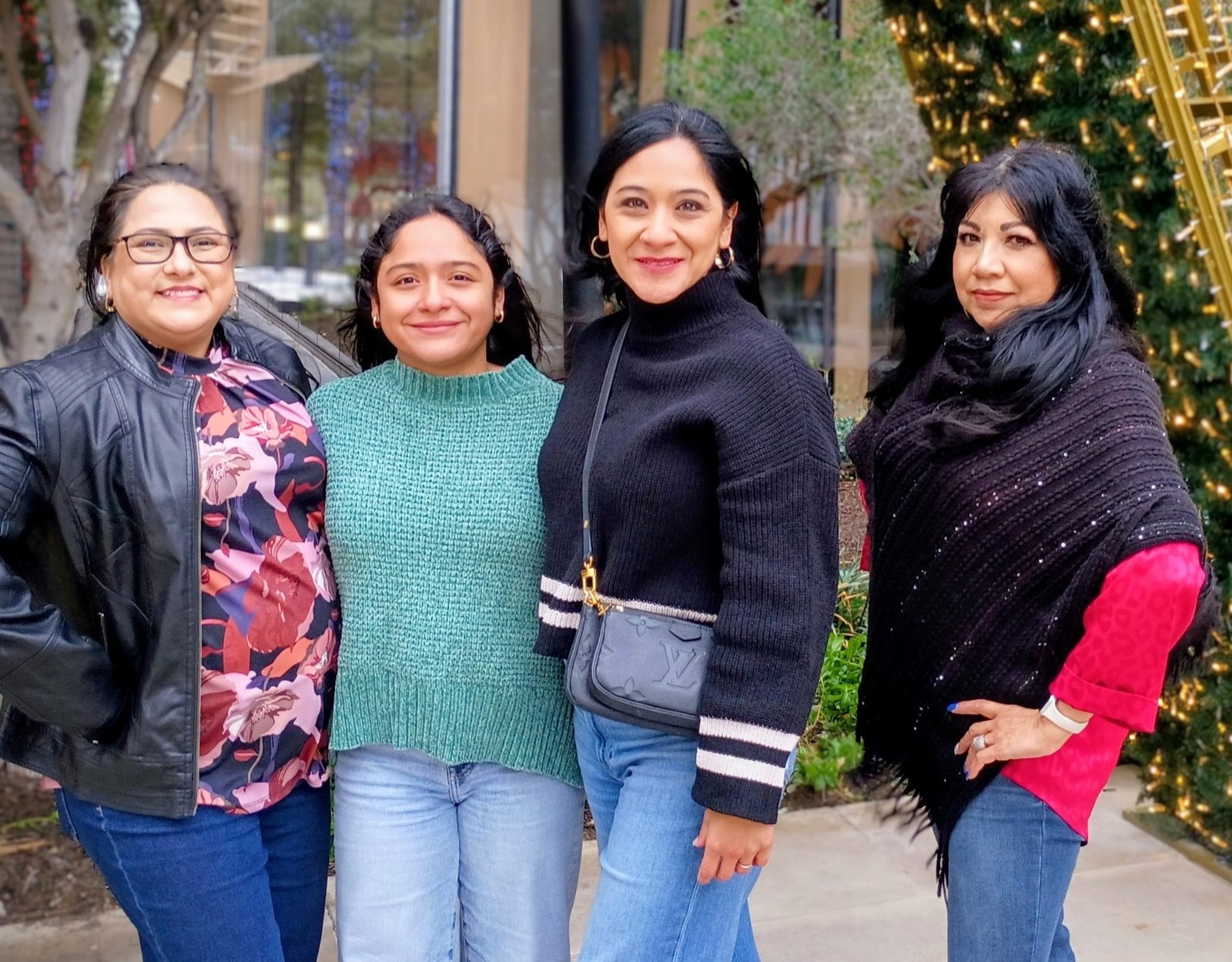
Read the full Flamenco 411 feature connecting Berta Almaguer, Teresa Champion, Timo Lozano, La Presy, the Guadalupe Cultural Arts Center and the artists carrying the tradition forward.
Continue through the archive
People
Meet dancers, musicians, teachers, photographers and companies in the Artist Index and Artist Profiles.
Places
Trace studios, intimate stages and community spaces through the Tablao archive and Studio Directory.
First-Person Stories
Hear artists speak in the Oral Histories Archive and watch archival footage on the Digital Stage.