
Legacy · San Antonio Flamenco
Teresa Champion’s Students and Legacy
Profiles of the dancers who carried Teresa Champion’s training from San Antonio studios to national and international stages.
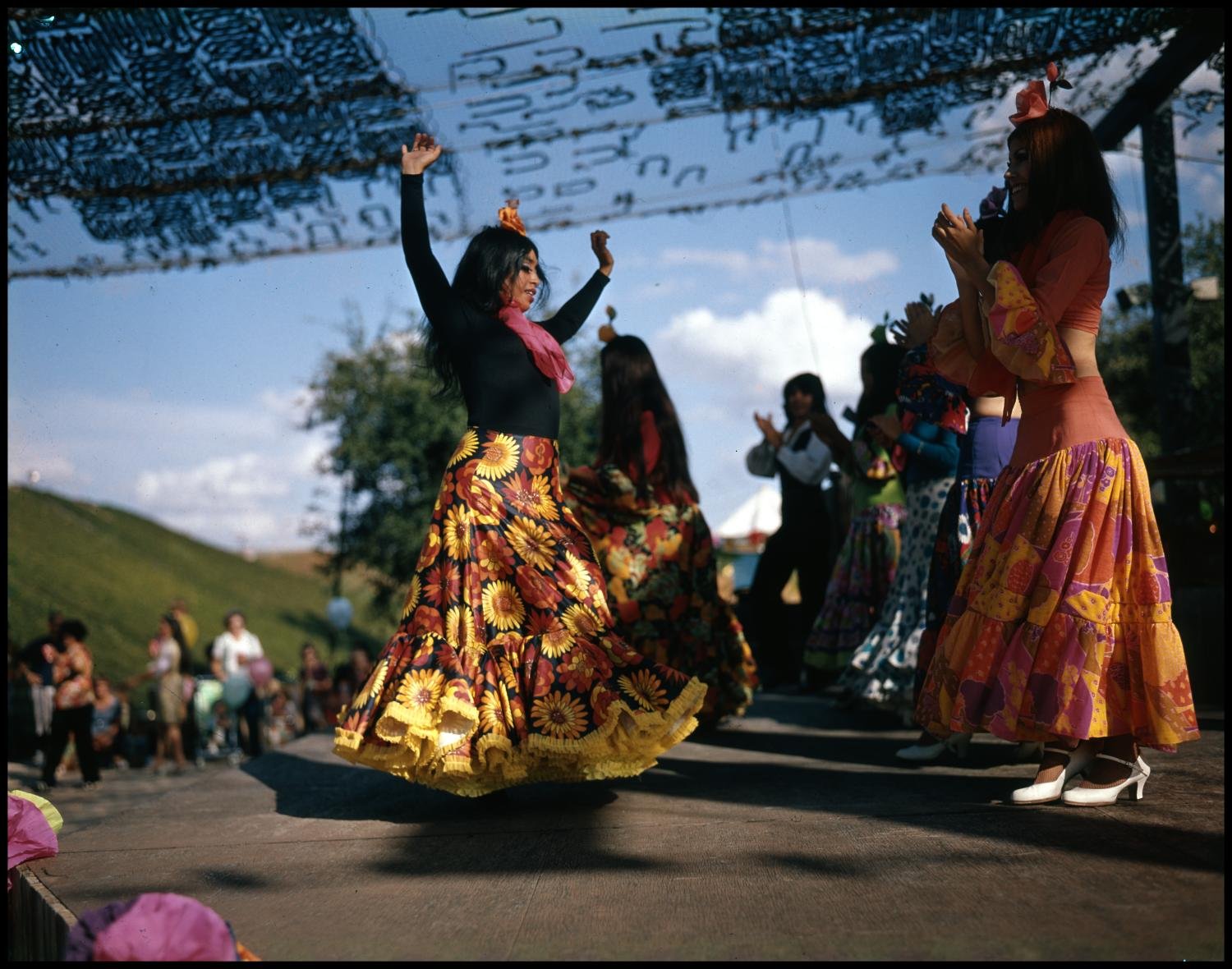
A San Antonio School of Flamenco
Teresa Champion’s teaching extended well beyond the studio. Through her academy and Los Flamencos de San Antonio, she helped train dancers who went on to perform, teach and create their own careers in the United States and abroad.
The artists profiled here followed different paths, from touring companies to schools in Spain and contemporary flamenco in Texas. Together, their stories reveal how a local tradition was passed from one generation of performers to another.
Ana Machado
January 27, 1961 – February 22, 2015
Ana Machado began dancing at age seven at San Antonio’s Palm Heights Community Center. She later performed with Teresa Champion’s Los Flamencos de San Antonio and La Compañía de Arte Español, establishing the Spanish dance training that shaped her professional career.
In 1984, Machado joined Antología de la Zarzuela in Madrid, touring internationally before returning to San Antonio for performances at the Majestic Theatre and Municipal Auditorium. She also appeared at Madison Square Garden with tenor Plácido Domingo. After an aneurysm affected her speech and mobility, she pursued rehabilitation and began painting with her left hand.
Source: San Antonio Express-News/MySA, “Machado danced on stages around the world”.
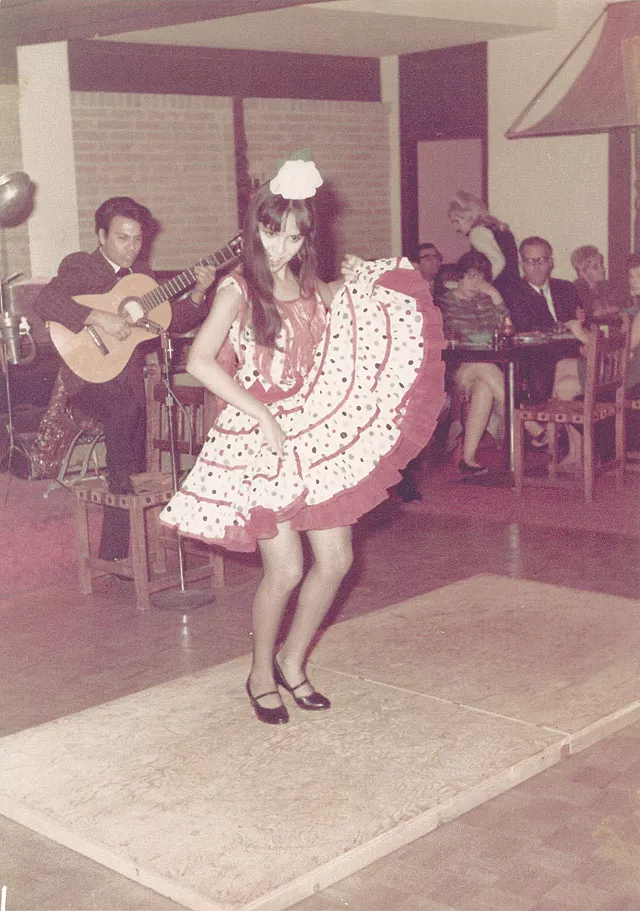
Priscilla “La Presy” Treviño Lozano
April 1, 1952 – December 25, 2011
Priscilla Treviño Lozano began studying flamenco in San Antonio in 1966 and became one of the city’s most distinctive artists. Known locally as “La Prisci,” she later acquired the stage name “La Presy” from Spanish performer Lola Flores.
Drawing inspiration from Carmen Amaya, she developed a powerful, personal style and often performed in trousers, a white shirt and a black vest. Her work took her across Europe and the United States. In Granada, she became closely associated with the Sacromonte flamenco community, taught at Carmen de las Cuevas and operated her own school. Among the artists influenced by her teaching were Lara Bello and Patricia Guerrero.
Source: San Antonio Current, “Rediscovering La Presy, San Antonio’s gift to flamenco”.
Timo Lozano
January 31, 1948 – August 24, 2014
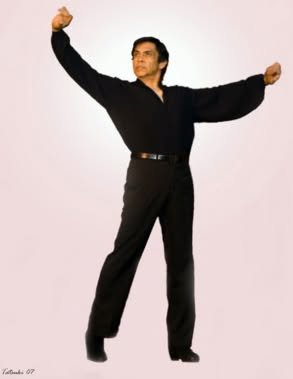
Timo Lozano came of age in San Antonio’s flamenco community in the 1960s alongside performers including La Presy, Jesús Moreno, Manolo Valente and the Enrique sisters. At seventeen, he attracted the attention of José Greco while performing in a local café and later joined the José Greco Dance Company.
He also worked with Ciro’s company in New Orleans and became especially admired for his rhythm, improvisation and command of bulerías. Sometimes called the “King of Bulerías,” Lozano combined performance with teaching, carrying the training and stagecraft of his San Antonio years to audiences beyond Texas.
Sources: San Antonio Current; Daily Colonist performance archive, 1973.
Andrea Hernández González “La Flor”
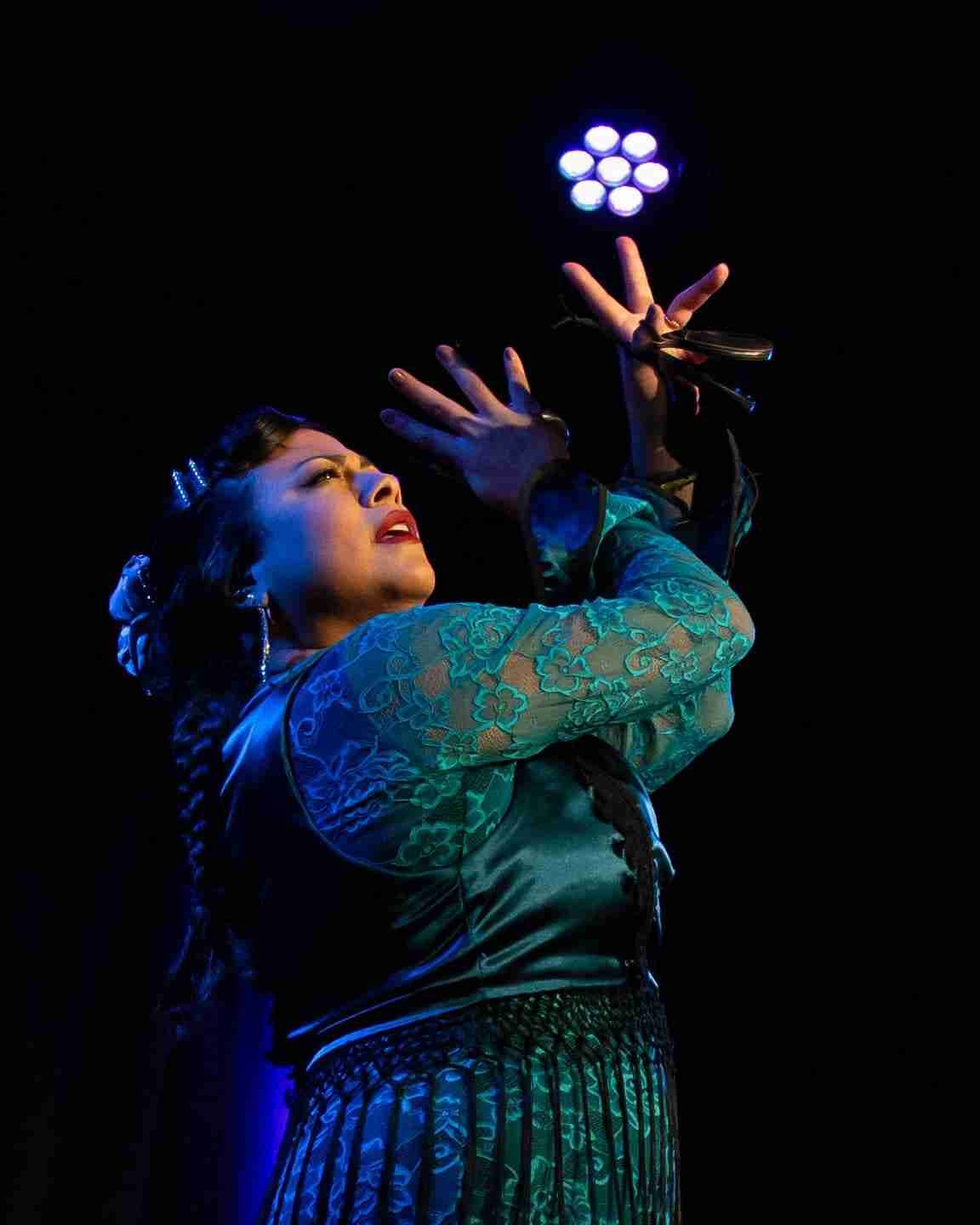
Andrea Hernández González began studying flamenco and ballet folklórico at age three with Teresa Champion. Her early training also included Willie “El Curro” Champion, Perla Robinson Montoya, Micaela Garza-Rodriguez and visiting artist Pilar Rioja.
After attending San Antonio’s North East School of the Arts, she studied dance at the University of New Mexico, where she trained in flamenco with Eva Encinias-Sandoval. She has since performed, taught and developed flamenco programming across Texas, including in rural West Texas.
In 2024, González won the grand prize at Flamenco Vivo Carlota Santana’s Certamen USA. The award was followed by a residency in Spain and a performance at Madrid’s Tablao Las Carboneras. Her work links Champion’s teaching to contemporary performance and mentorship.
Sources: Flamenco Fever artist biography; Texas Folklife 2025 Apprenticeship Showcase.
A Living Legacy
Machado’s international career, La Presy’s teaching in Granada, Lozano’s work with major flamenco companies and González’s continuing practice in Texas represent different expressions of the same lineage. Teresa Champion’s contribution endures not only in the performances she created, but in the artists who built on what they learned from her.